Compare Three Sources and Spot Where They Disagree
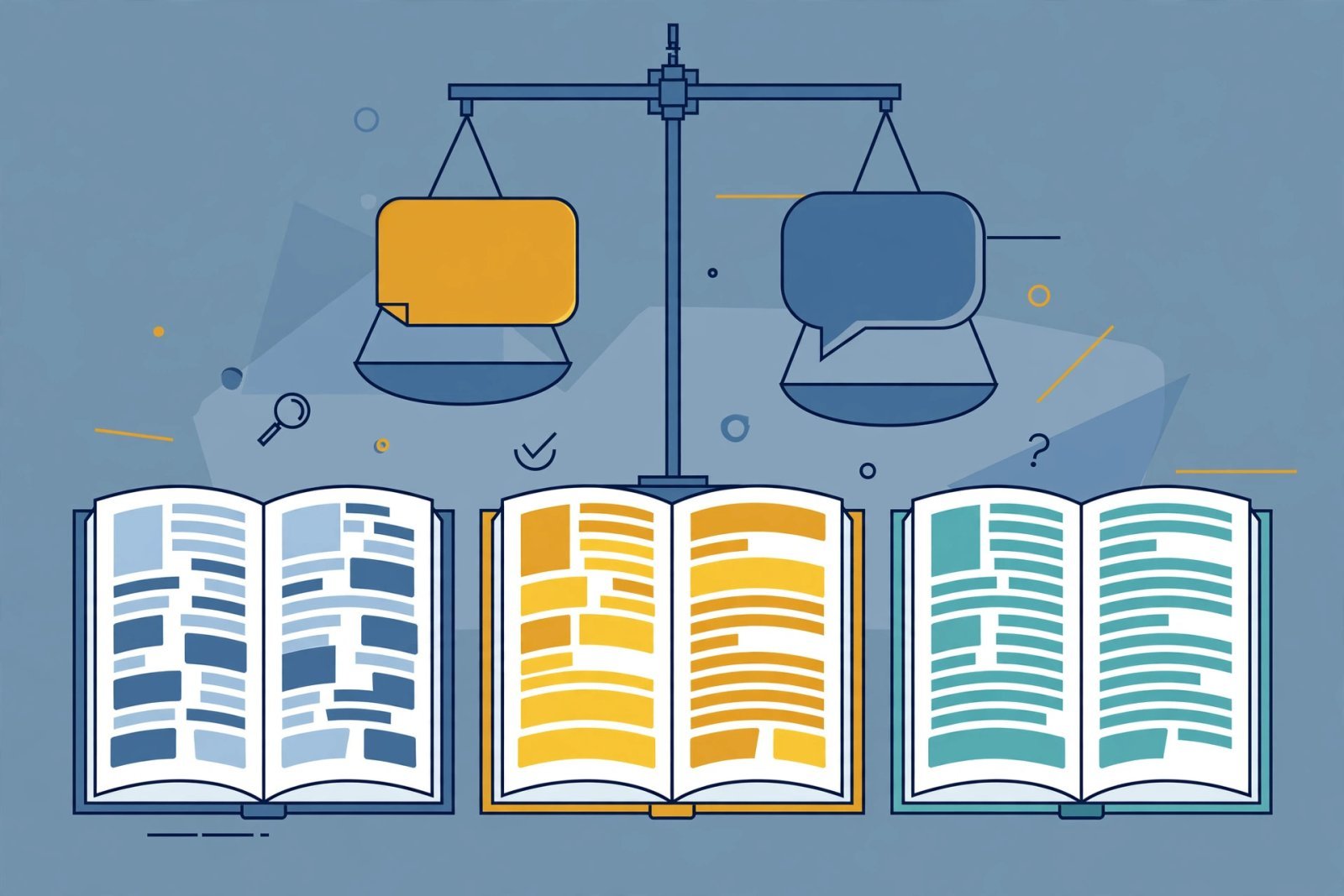
Compare three sources on one topic, map where they agree and disagree, explain why, and end with a verdict on what is settled and what is not.
Customize this prompt
Fill in the fields below — the prompt text updates automatically. [BRACKETED] words are placeholders you replace.
The prompt
You are a careful research analyst who compares sources without taking sides. I will paste three sources on [TOPIC]. For each source, extract: its main claim, the evidence it cites, its method or source type, and its limitations. Then build a comparison table across the three: where they agree, where they disagree, and where one covers something the others ignore. For each disagreement, explain the most likely reason — different definitions, different timeframes, different methods, or different populations — and quote the exact lines that conflict. End with a verdict: what can I confidently conclude, what remains uncertain, and what single follow-up source would settle the biggest open question. Never merge the sources into one voice; keep every claim attributed. Source 1: [SOURCE_1]. Source 2: [SOURCE_2]. Source 3: [SOURCE_3].
How to use it
- Paste the three sources in full.
- Check each source's claim, evidence, and limits.
- Review the agreement and disagreement table.
- Read the quoted lines behind each conflict.
- Follow up with the one recommended source.
Customization tips
Paste longer sources for deeper comparison; the model quotes each source so you can verify every claim.
Example use case
Comparing multiple sources on a topic to find agreements, contradictions, and gaps before drawing conclusions.
Frequently asked questions
Can I trust the comparison without re-reading everything?
Yes — the comparison table quotes each source directly, so you can check every claim against the original text.
Why do good sources disagree?
Disagreements usually come from different definitions, timeframes, or methods — the prompt checks all three before declaring a contradiction.
Share
Tags: research source analysis critical thinking fact-checking comparison academic research
Reviewed by the PromptVault editorial team on October 14, 2026.
Source notes: Daily pipeline 20261014 batch 10