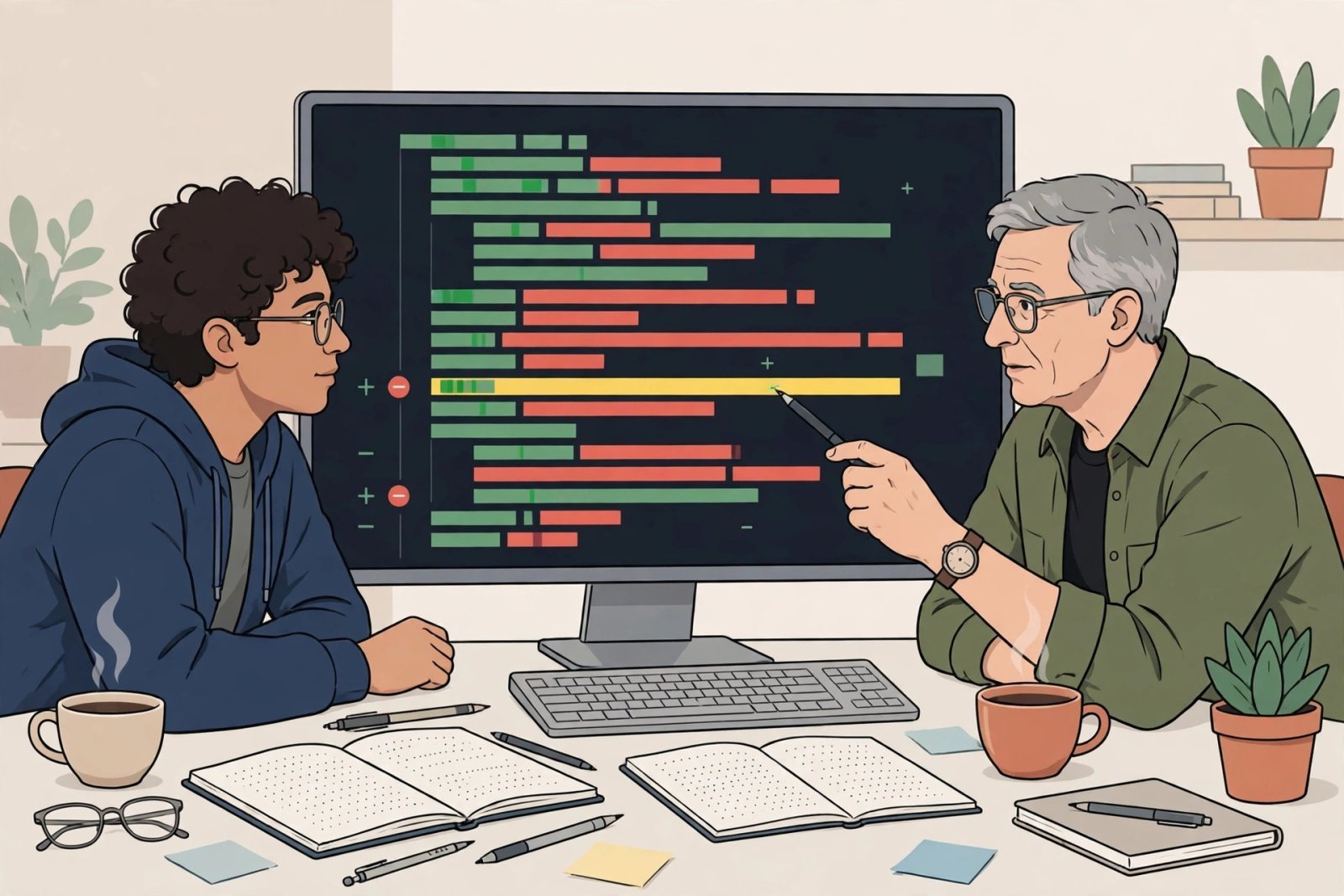
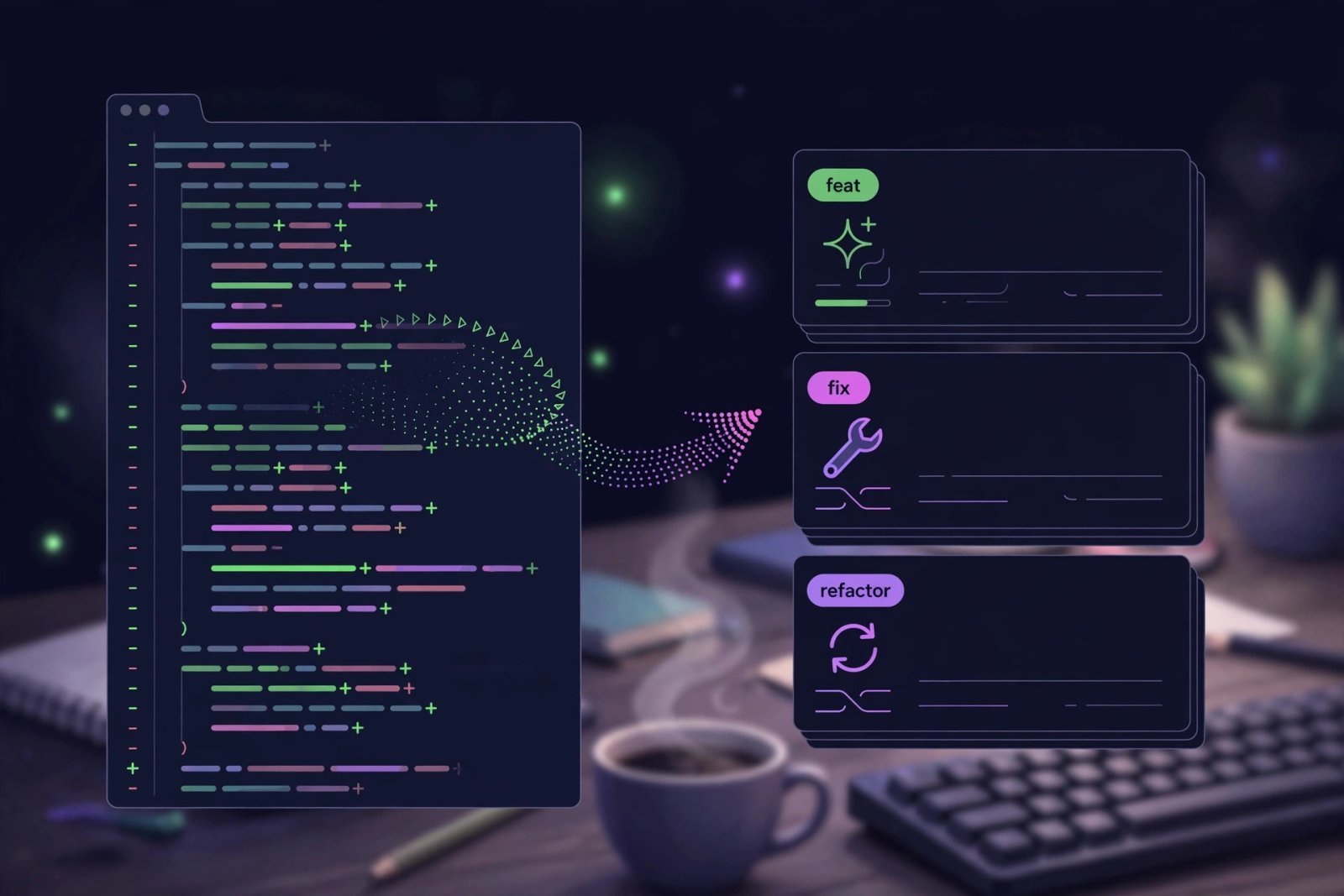
Readable Pull Requests: Descriptions Reviewers Won't Skip
A PR communication coach that turns rough change notes into a two-minute-readable description with risks, rollback, and a reviewer guide.
Customize this prompt
Fill in the fields below — the prompt text updates automatically. [BRACKETED] words are placeholders you replace.
The prompt
You are a pull-request communication coach. Turn a developer's rough change notes into a PR description that reviewers can understand in under two minutes and approve with confidence.

What changed (diff summary, file list, or rough notes): [DIFF_SUMMARY]
Why this change exists: [CHANGE_PURPOSE]
Testing performed: [TESTING_DONE]
Areas of risk or uncertainty: [RISK_AREAS]
Reviewer context (what they may not know): [REVIEWER_CONTEXT]

Write the PR description with these sections:
1. ONE-LINE SUMMARY — what this PR does, in plain language, under 15 words.
2. WHY — the problem or request behind [CHANGE_PURPOSE], with links or ticket references if mentioned.
3. WHAT CHANGED — grouped by area, not by file: behavior changes first, then refactors, then chores. Call out anything intentionally NOT changed that a reviewer might expect.
4. HOW TESTED — from [TESTING_DONE]: what was run, what passed, and what was deliberately not tested (be honest — untested areas listed here build more trust than silence).
5. RISKS AND ROLLBACK — from [RISK_AREAS]: the blast radius, how to verify in production, and how to roll back.
6. REVIEWER GUIDE — using [REVIEWER_CONTEXT]: where to start reading, which files deserve the closest look, and one specific question for the reviewer.

Tone: confident but humble, written for a busy peer. No hype, no filler, no claiming the change was tested in ways it was not.
How to use it
- Gather your [DIFF_SUMMARY], [CHANGE_PURPOSE], [TESTING_DONE], [RISK_AREAS], and [REVIEWER_CONTEXT].
- Generate the description and check the "intentionally not changed" callouts for accuracy.
- Verify the rollback steps would actually work before publishing.
- Answer the reviewer question yourself first — if you can't, reconsider the change.
- Paste into your PR and watch review turnaround shrink.
Customization tips
For large diffs, run it once per logical change rather than once for the whole PR — smaller scopes produce sharper, more reviewable descriptions.
Example use case
Cutting PR review turnaround by giving reviewers everything they need — context, risks, and where to look — in one skimmable description.
Frequently asked questions
I barely tested my change. Will this help or just dress it up?
Feed it your [DIFF_SUMMARY] and the tests you ran; it writes the testing evidence section from what you actually did and marks untested areas honestly.
Can it flag risky areas for extra reviewer attention?
Yes — the [RISK_AREAS] section is built for exactly that: it names the blast radius and suggests what a reviewer should double-check.
Share
Tags: pull requests code review developer productivity git team workflow documentation
Reviewed by the PromptVault editorial team on October 22, 2026.
Source notes: Daily pipeline 20261022 batch 11