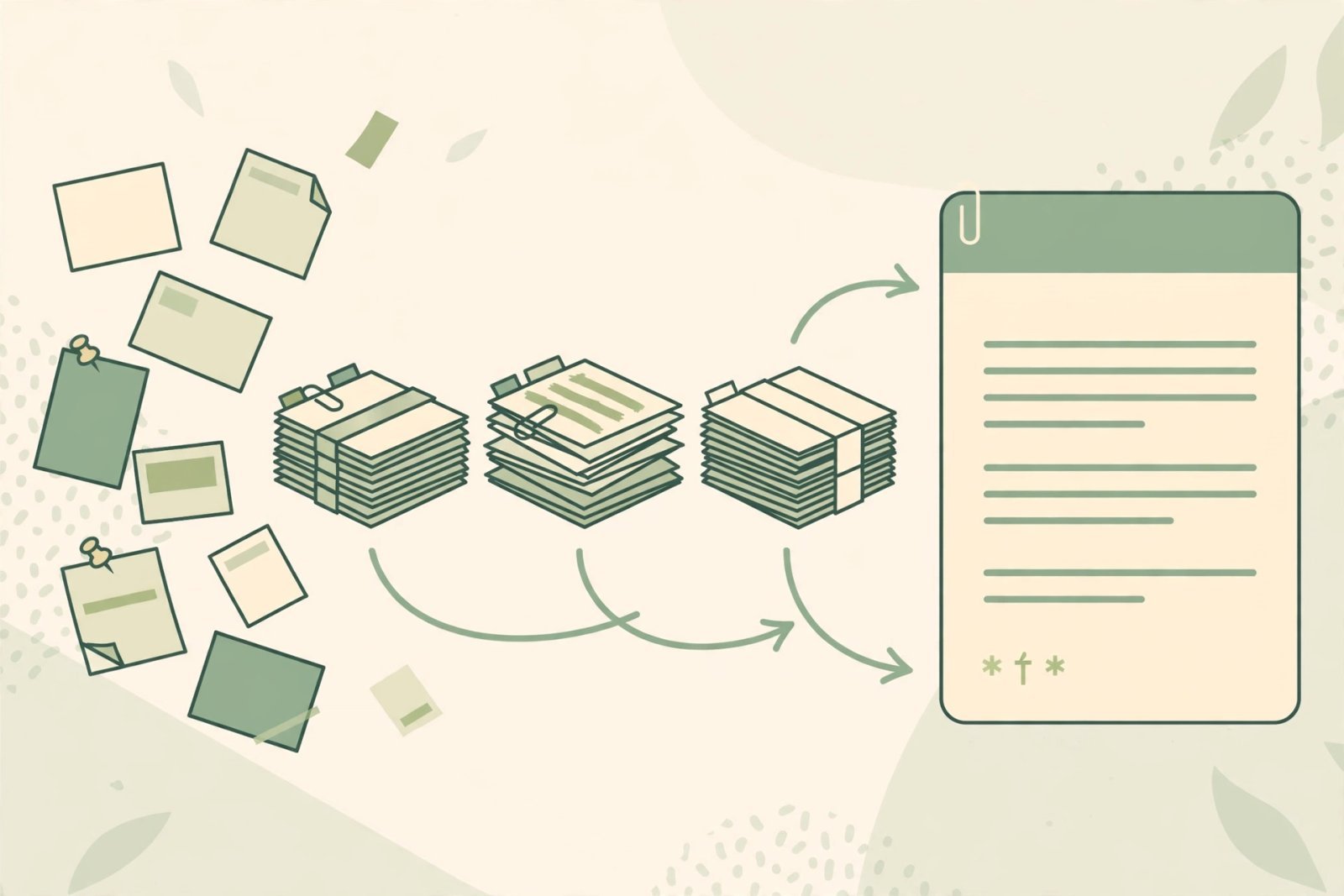
Compare Three Competing Studies Without Losing the Plot
Line up three studies on the same question side by side, so you can see where they agree, where they clash, and which one to trust.
Customize this prompt
Fill in the fields below — the prompt text updates automatically. [BRACKETED] words are placeholders you replace.
The prompt
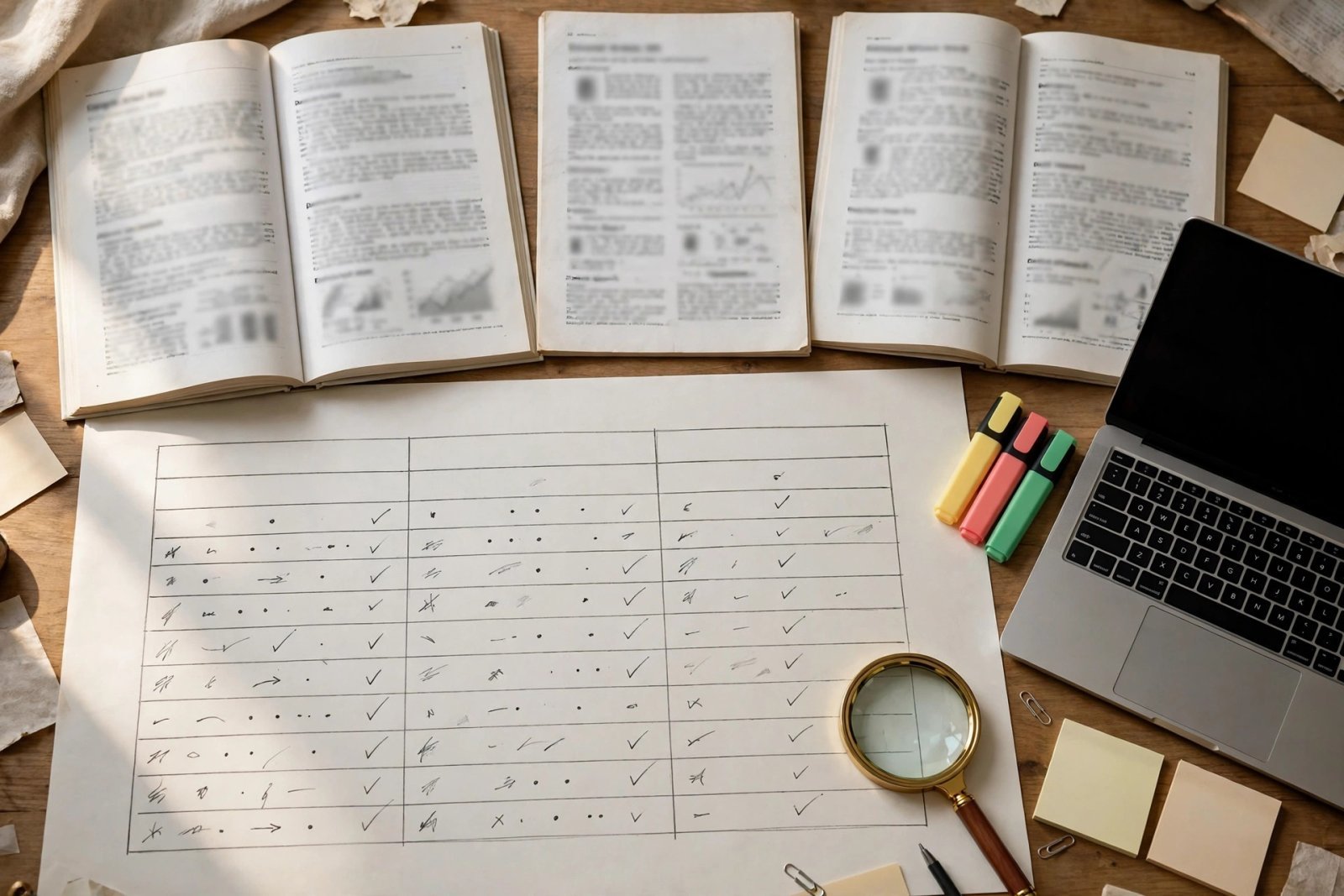
Act as a careful research analyst. I am comparing three studies that address the same question: [RESEARCH_QUESTION]. Here are the studies: Study A: [STUDY_A_SUMMARY]. Study B: [STUDY_B_SUMMARY]. Study C: [STUDY_C_SUMMARY]. For each study, extract the research question, sample size and method, the headline finding, and one key limitation. Then build a comparison table with the three studies as columns and the question, method, sample, finding and limitation as rows. After the table, write a short verdict: where the three studies agree, where they disagree, what might explain the disagreement, and which finding is best supported overall and why. Flag any claim that is not supported by the summaries I gave you, and do not invent data, sample sizes or statistics that are not in the text.
How to use it
- Paste a short summary of each of the three studies.
- Ask the AI to extract the same five facts from each one.
- Read the comparison table and check it against your summaries.
- Use the verdict to decide which finding your own work should rely on.
Customization tips
Add a column for funding source or publication year, or ask for a one-paragraph plain-English summary for non-experts.
Example use case
Use when three papers disagree and you need a clear, honest comparison before citing any of them.
Frequently asked questions
What if the studies use very different methods?
That is exactly what the table exposes. Note the method differences in the verdict, because they often explain why the findings disagree.
Can I compare more than three studies?
Yes, but add them one at a time and ask the AI to extend the same table, so the rows stay consistent.
Share
Tags: research literature review critical analysis evidence academic writing
Reviewed by the PromptVault editorial team on November 18, 2026.
Source notes: Daily pipeline 20261118 batch 11